
The Hidden Cost of the Commute: How Your Driving Habits Shape Your Brake Life
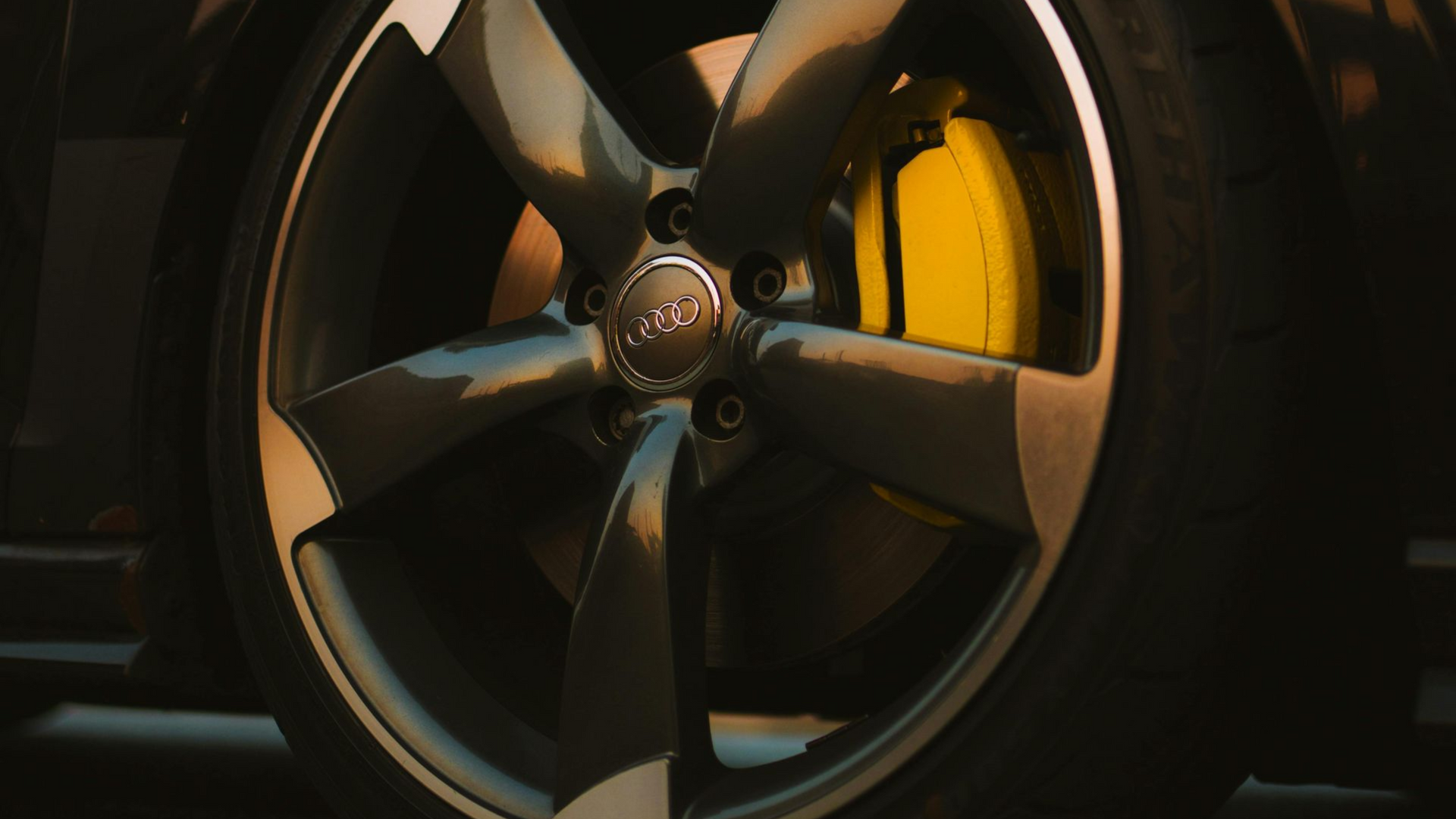
Every time you get behind the wheel, you are making choices that affect the longevity of your vehicle. While we often think of car maintenance as something that happens in the shop, the reality is that maintenance starts in the driver’s seat. Your braking system is a masterpiece of friction and thermal management, but it has its limits.
At Poston Motor Company, we believe that an informed driver is a safer, more budget-conscious driver. By understanding how your daily habits translate to mechanical wear, you can significantly extend the life of your components. After all, "A smooth sea never made a skilled sailor," and smooth driving never made for a high repair bill.
The Physics of the Stop: Heat is the Enemy
To understand wear, we have to understand heat. Your brakes work by converting the kinetic energy of your moving car into thermal energy through friction. When your brake pads grab the rotors, they generate an immense amount of heat. Under normal conditions, this heat dissipates into the air.
However, aggressive driving and frequent hard braking change that equation. When you slam on the brakes or "ride" them down a long hill, the temperature can spike. High heat causes the friction material on your pads to break down faster and can even lead to warped rotors. Going to a Trusted Brake Repair Specialist is something you should do if you feel like you are encountering this often.
The Danger of Late Braking
If you find yourself braking hard at the last second for red lights or stop signs, you are putting unnecessary stress on the entire system. This habit forces the calipers to apply maximum pressure instantly, which creates a massive heat soak. Over time, this constant "shock" to the system leads to premature thinning of the pads.
City vs. Highway: The Commuter’s Dilemma
Where you drive is just as important as how you drive. For those of us navigating city traffic daily, the "stop-and-go" nature of the commute means your brakes are doing double duty. In an urban environment, you might apply your brakes hundreds of times in a single trip.
Highway driving is generally much easier on your brakes because you are maintaining a steady speed. However, highway drivers face a different challenge: high-speed stops. Braking from 70 mph requires significantly more energy—and generates more heat—than braking from 35 mph.
Strategies for the City Driver
If your daily route involves heavy traffic, try the "coasting" technique. Instead of staying on the gas until the moment you need to brake, let off the accelerator early when you see a red light ahead. This allows engine braking to do some of the work for you and reduces the amount of friction needed to bring the car to a full halt.
The Heavy Load Factor
Your brakes are rated to stop the weight of your vehicle plus a standard load. If you are regularly hauling heavy cargo, towing a trailer, or even driving with a full carpool of passengers, your brakes have to work significantly harder.
Extra weight means more momentum. To stop that momentum, the brake system must generate even more friction. This increased demand leads to quicker wear on your pads and can put extra strain on your brake fluid, which can degrade if it gets too hot.
Lightening the Load for Longevity
It is a good habit to "clean out" your vehicle regularly. Carrying around unnecessary heavy items in the trunk or cargo area doesn't just hurt your fuel economy; it adds a silent tax to your brake life. If you do frequently tow, ensure you are using a trailer with its own braking system to help share the load.
Pro Tip: Engine Braking When driving down long inclines or hills, shift to a lower gear to let the engine control your speed. This prevents "brake fade," which happens when your brakes get so hot they lose their ability to stop the car effectively.
The Importance of Professional Oversight
Even the smoothest driver in the world will eventually need brake service. The key is catching the wear before it becomes a safety hazard or an expensive rotor replacement. Regular inspections are the only way to truly know the health of your system.
At Poston Motor Company, we pride ourselves on being an industry leader in diagnostic accuracy. We don't just look at the pads; we inspect the lines, the fluid quality, and the hardware to ensure the entire system is functioning as a unit.
Satisfaction Guaranteed and Fast Service
We know that auto repair can be a disruption to your schedule. That is why we focus on efficiency without ever compromising on safety. We understand the importance of your vehicle and can complete the auto repair you need to get back on the road–fast!
Our "Satisfaction Guaranteed" promise means you can drive away with confidence, knowing that your vehicle has been handled by experts who value your safety as much as you do. We provide the specific value of clear communication—you will always know exactly what your car needs and why. So if you are looking for a Cumming Auto Repair near me, then stop in and see us for your satisfaction guaranteed.
Making Smarter Decisions for the Long Run
Extending the life of your brakes is about consistency. Small changes in your daily habits—like increasing your following distance and avoiding sudden stops—pay dividends over the months and years you own your vehicle.
By pairing these smart habits with the expert care provided by Poston Motor Company, you ensure that your car remains a reliable tool for your life. Your brakes are your first line of defense on the road; give them the attention they deserve.
Maintenance Tip: Don't Ignore the Signs If you feel a vibration in the steering wheel when braking, or if you hear a high-pitched squeak, do not wait. These are early warning signs that your system needs attention. Catching it now can save you from a much larger bill later.
FAQs
How can I tell if my driving habits are wearing my brakes too fast?
If you find that you need new brake pads every 20,000 miles or less, it is likely that aggressive stopping or heavy city driving is playing a role. Most pads should last between 30,000 and 70,000 miles depending on the environment and your style.
What is the best way to maintain my brakes during the winter?
The best way to protect your brakes in winter is to have them cleaned and lubricated. Road salt and grime can cause the "slides" on your calipers to seize up, which leads to uneven wear and reduced performance. A quick inspection before the snow hits can prevent these issues.
Does brake fluid need to be changed?
Yes. Brake fluid is "hygroscopic," meaning it absorbs moisture from the air over time. This moisture can cause internal corrosion and lower the boiling point of the fluid, which makes your brakes feel "spongy" and less responsive during hard stops. Most manufacturers recommend a flush every two years.