
The High Price of Waiting: Why Postponing Auto Repairs Costs More Than You Think
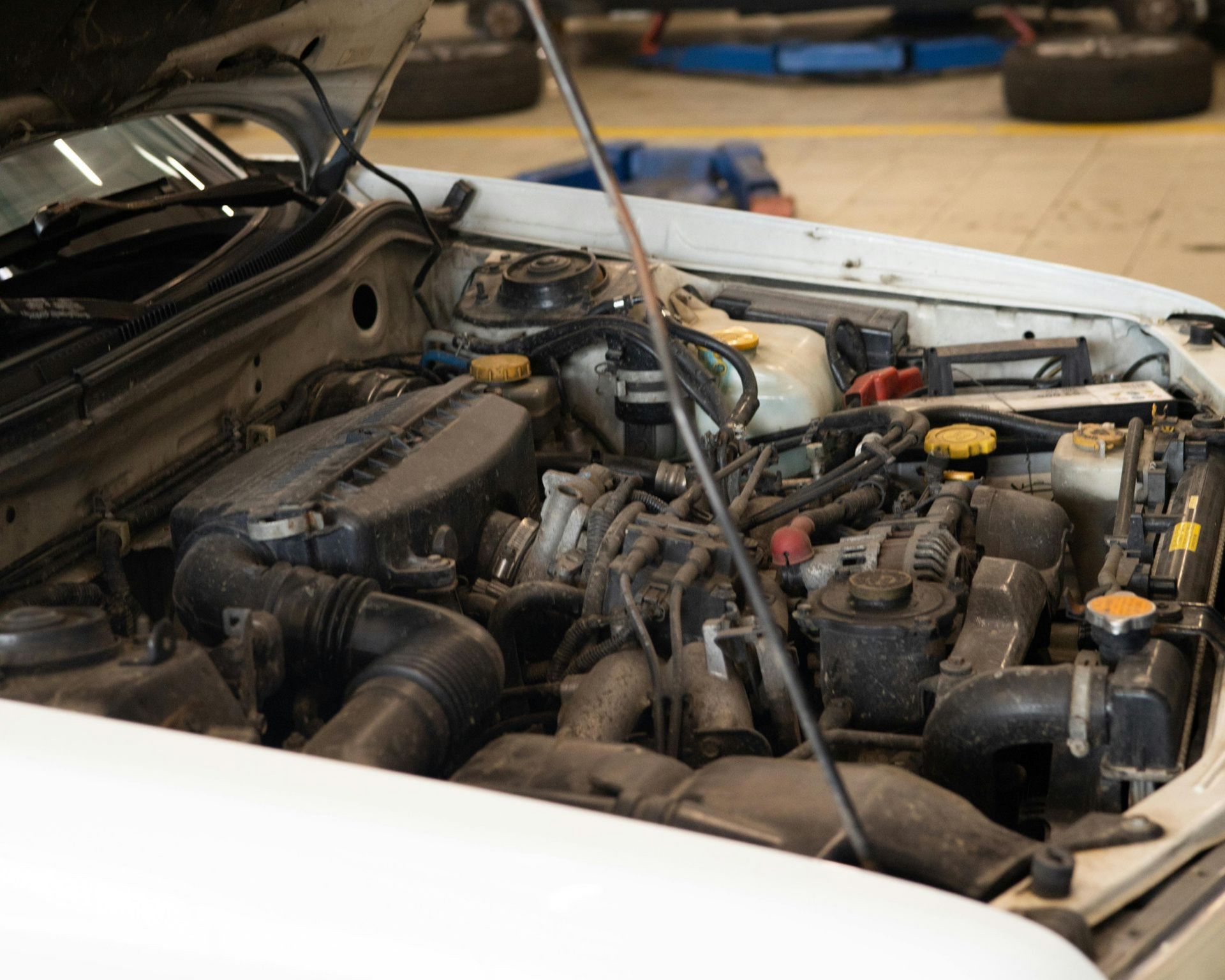
We have all been there. You are driving down the road when a new sound starts coming from under the hood. Maybe it is a faint squeak or a slight vibration in the steering wheel. Your first instinct might be to turn up the radio and hope it goes away. After all, life is busy and car repairs can feel like an inconvenience.
However, with automotive care, an ounce of prevention really is worth a pound of cure. As the old adage goes, "A stitch in time saves nine." When it comes to your vehicle, ignoring a small issue today almost guarantees a much larger, more expensive headache tomorrow.
At Poston Motor Company, we see these "domino effects" every day. What starts as a simple part reaching the end of its lifespan can quickly cascade into a total system failure.
Understanding how these mechanical links work is the first step in protecting both your safety and your bank account.
The Serpentine Belt: A Single Point of Failure
Modern engines rely on a single, long belt to power several critical components. This is known as the serpentine belt. It is responsible for running your alternator, power steering pump, and air conditioning compressor. Most importantly, it often drives your water pump.
When this belt gets old, it starts to crack and fray. If you ignore the signs of wear, the belt will eventually snap. When it does, the water pump stops turning immediately. Without coolant circulating through the engine, your temperature gauge will spike into the red zone within minutes.
From a Simple Belt to an Engine Overhaul
If you are on the highway when that belt breaks, the heat can warp your engine's cylinder heads almost instantly. What was originally a simple, affordable belt replacement has now turned into a multi-thousand-dollar engine repair. This is the ultimate example of the mechanical domino effect.
Pro Tip: The Visual Check
You can often spot belt trouble yourself. Look for small cracks, "glazing" (a shiny, burnt appearance), or fraying along the edges. If you see these, it is time to head to the shop before the belt makes the choice for you.
Why Brake Repairs Cannot Wait
Your braking system is the most important safety feature on your vehicle. It is designed to wear down over time by design. The brake pads grip a heavy metal disc called a rotor to slow you down. As the friction material on the pad thins out, it loses its ability to dissipate heat and provide stopping power.
When you postpone brake repairs, you aren't just dealing with a noisy car. You are actively increasing your stopping distance. In an emergency situation, those extra few feet can be the difference between a close call and a serious collision.
The Hidden Damage to Rotors
Brake pads usually have a small metal tab that "screams" when the pads get low. If you ignore that squeal, the metal backing of the pad will eventually grind directly against the metal rotor. This "metal-on-metal" contact ruins the smooth surface of the rotor.
Instead of just replacing inexpensive pads, you are now forced to replace the rotors as well. This effectively doubles the cost of the service. By staying ahead of the wear, you ensure your car stops exactly when you need it to.
The Invisible Grid: Navigating Electrical Issues
Modern cars are essentially rolling computers. Your battery and alternator do more than just start the engine; they provide a steady stream of "clean" power to dozens of sensors and control modules. When the electrical system begins to fail, the symptoms can be incredibly confusing.
A weak battery can cause "ghost" symptoms. You might see a traction control light pop up or notice your power windows moving slowly. If the alternator is not charging correctly, it puts an immense strain on the battery, shortening its life significantly.
Protecting Your Car's Brain
Electrical issues rarely stay small. If a voltage spike occurs because of a failing alternator, it can potentially fry expensive electronic control units (ECUs). These parts are often difficult to source and require specialized programming to install.
Did You Know?
A car battery typically lasts between three and five years. Extreme heat is actually harder on a battery than extreme cold, as it causes the internal fluids to evaporate and damages the internal structure.
The Value of Preventive Maintenance
The goal of preventive maintenance is to catch these issues while they are still small and manageable. Think of it like a regular checkup at the doctor. We look for the early warning signs of wear so we can address them on your schedule, rather than waiting for a breakdown on the side of the road.
Regular oil changes, fluid flushes, and inspections are the heartbeat of a healthy vehicle. These services allow technicians to look at the "big picture" of your car's health. We can spot that leaking water pump or that fraying belt long before it leaves you stranded.
Trusting an Industry Leader
When it comes to complex systems like your engine and brakes, experience matters. Poston Motor Company is an industry leader in Cumming car repairs, known for our deep technical expertise and commitment to quality. We provide Satisfaction Guaranteed on every job we perform.
We understand that your vehicle is a vital part of your daily life. That is why we focus on completing the auto repair you need to get back on the road–fast! Our team uses advanced diagnostics to find the root cause of an issue the first time, preventing those costly "comebacks" and ensuring your car is safe for your family.
Staying Ahead of the Curve
At the end of the day, your car is an investment. Like any investment, it requires consistent attention to grow in value—or at least maintain it. Poston Motor Company is here to help you navigate that process without the stress.
By addressing repairs as they arise, you maintain your vehicle's resale value and ensure peak fuel efficiency. A well-maintained engine runs smoother and uses less gas, putting more money back in your pocket every time you hit the pump.
Maintenance Tip: Listen to Your Car
Your car is constantly "talking" to you. New smells, strange vibrations, or different sounds are all ways your vehicle tells you something is wrong. Trust your gut—if something feels different, it probably is.
FAQs
How often should I have my brakes inspected?
It is a good habit to have your brakes checked at every oil change or roughly every six months. If you hear any squealing or feel a "pulse" in the brake pedal, you should seek professional help immediately to avoid damaging your rotors.
What is the best preventive maintenance for my car's electrical system?
The best way to maintain your electrical health is to have your battery and alternator tested annually, especially before the summer heat hits. Keeping your battery terminals clean and free of corrosion also ensures a strong connection and prevents starting issues.
Can I drive with my check engine light on?
While a car might still run with a check engine light, it is never a good idea to ignore it. The light indicates that the computer has detected a fault that is affecting your emissions or performance. Even if the car feels fine, the issue could be causing hidden damage to your catalytic converter or reducing your fuel mileage.
Call
(678) 455-5246 to schedule your auto repair service today!