
The Tiny Heartbeat: Why Spark Plugs Matter More Than You Think
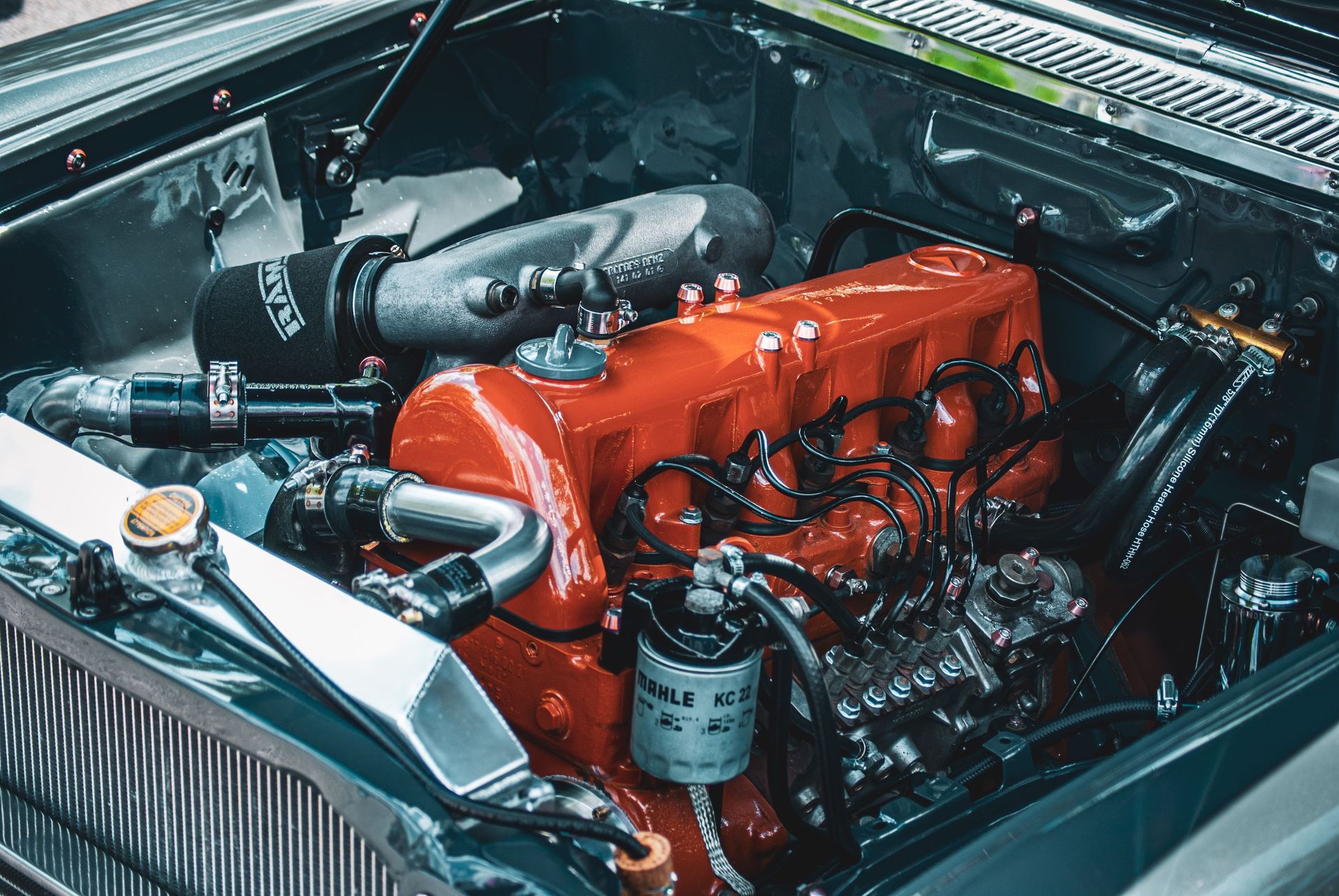
When we think about major auto repairs, we often picture massive engine blocks or complex transmissions. But some of the most important components in your vehicle are no larger than a travel-sized tube of toothpaste. We’re talking about spark plugs 🔌—the literal "spark of life" for your engine.
At Poston Motor Company, we see a lot of vehicles struggling with the steep inclines and fluctuating weather here in North Georgia. Often, the culprit isn't a massive mechanical failure; it’s simply a set of worn-out spark plugs that can no longer keep up with the demands of the road.
1. The Fuel Efficiency Factor: Stop Wasting Gas
Your spark plugs are responsible for igniting the air-fuel mixture in your engine. When a plug is old or "fouled" with carbon, it produces a weak, inconsistent spark. This leads to incomplete combustion, meaning a portion of the gasoline you just paid for at the pump is being pushed out of your exhaust unburnt.
For a daily commuter in Cumming navigating GA-400, a set of bad plugs can quietly steal miles from every tank of gas. Keeping your plugs fresh with preventive maintenance is one of the easiest ways to ensure you’re getting the maximum MPG your vehicle was designed to deliver.
2. Performance on the Hills: No More Misfires
Have you ever tried to accelerate up a steep hill in North Georgia only to feel your car "stutter" or lose power? That "jerking" sensation is often an engine misfire. This happens when a worn spark plug fails to ignite the fuel at the exact millisecond it’s supposed to.
A healthy set of spark plugs ensures that every cylinder in your engine is firing with full strength. This provides the smooth, reliable power you need for merging into traffic or climbing Sawnee Mountain without the stress of a struggling engine.
3. The Expensive "Chain Reaction"
This is where small maintenance saves big money. If you ignore a worn $15 spark plug, it forces your ignition coils to work much harder to bridge the gap. Over time, that extra heat can "fry" the coil, which is a much more expensive part to replace.
Even worse, that unburnt fuel we mentioned earlier can overheat and destroy your catalytic converter. By replacing your plugs on schedule, you prevent a "domino effect" that could result in thousands of dollars in unnecessary repairs.
Pro Tip: The Check Engine Light ⚠️ If your "Check Engine" light is flashing, it often indicates a severe misfire that could be damaging your engine right now. Don't wait—bring it in for an inspection immediately.
Satisfaction Guaranteed in Cumming
We understand the importance of your vehicle and can complete the auto repair you need to get back on the road–fast! At Poston Motor Company, we offer a Satisfaction Guaranteed approach to every tune-up. We don't just swap parts; we inspect your ignition system to ensure everything is firing perfectly.
Whether you've noticed a drop in fuel economy or your car feels a bit "tired" on the hills, a fresh set of spark plugs might be exactly what you need to restore that "new car" feel. Contact us today!
FAQs
How often should I replace my spark plugs? Most modern vehicles require new spark plugs every 30,000 to 100,000 miles, depending on the type of plug (Copper, Platinum, or Iridium). Check your owner's manual or ask us during your next oil change!
Can bad spark plugs cause my car not to start? Yes. If your plugs are severely fouled or worn, they may not be able to create the spark needed to ignite the fuel when the engine is cold, leaving you stranded in your driveway.
Will new spark plugs fix my "Check Engine" light? If the light is on due to a "misfire" code (like P0300), new plugs are often the first and most effective fix. We use advanced diagnostics to confirm the exact cause before we start any work.