
Why Are My Brakes Squealing?
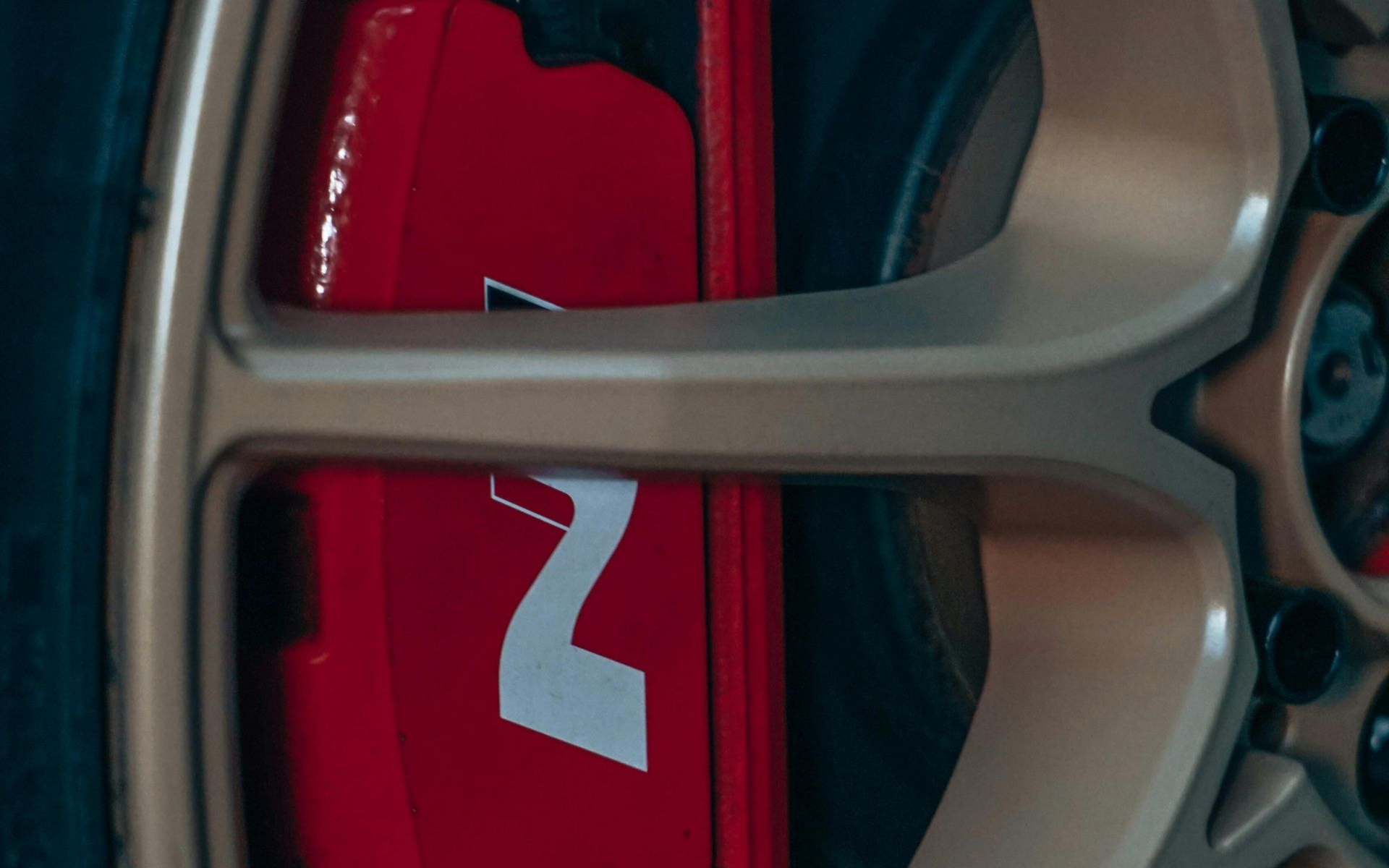
In our part of the country, humidity is a constant companion. When the morning dew settles over the hills of North Georgia, it creates a thin layer of moisture on your vehicle's metal components. Because your brake rotors are made of cast iron and are not painted, they can develop a microscopic layer of "flash rust" in just a few hours.
When you first pull out of your garage or driveway in the morning, your brake pads have to "scrape" this thin layer of rust off the rotors. This often results in a loud squealing or grinding noise for the first two or three stops.
Is Morning Squealing Dangerous?
In most cases, this type of noise is perfectly harmless. Once the pads have cleaned the surface of the rotors, the sound should disappear completely. However, if the noise persists throughout your entire commute down GA-400, it is a sign that the problem is mechanical rather than environmental.
The Red Clay and Road Grime Challenge
Living in Cumming means dealing with a fair amount of dust and debris. Whether it is red clay from a construction site or salt and brine during a rare North Georgia winter storm, foreign particles can easily get lodged between your brake pads and rotors.
When a small pebble or a bit of hardened grit gets trapped, it can act like a needle on a record player, creating a constant squeak or scratchy sound. This does not always mean your brakes are worn out, but it can cause "scoring" or deep grooves in your rotors if the debris is not cleared out.
Maintenance Tip: The Power Wash When you are washing your car, take a moment to spray out your wheels and wheel wells thoroughly. This helps clear away brake dust and road grime that can lead to noisy operation and premature wear.
Glazed Pads: The Result of Heavy Heat
North Georgia is known for its beautiful, rolling terrain. However, driving down long descents can put an immense amount of heat into your braking system. If you "ride the brakes" while going down a long hill, the friction material can become so hot that it "glazes" or hardens into a smooth, mirror-like finish.
Once a brake pad is glazed, it loses its ability to grip the rotor effectively. This leads to a loss of stopping power and a distinct, high-pitched squeal as the slick pad slides over the smooth rotor.
How to Prevent Glazing
To avoid this, use engine braking (shifting to a lower gear) when descending steep grades. This allows the engine to hold the car's speed back, giving your brakes a chance to stay cool and quiet.
Trusting Poston Motor Company for Silence
At Poston Motor Company, we are an industry leader in brake diagnostics. We don't just "slap on" new pads and send you on your way. We take the time to clean the hardware, lubricate the caliper slides, and ensure your rotors are true. This comprehensive approach is how we provide the specific value of a quiet, smooth ride every time you leave our shop.
We understand the importance of your vehicle and can complete the auto repair you need to get back on the road–fast! With our Satisfaction Guaranteed promise, you can trust that those annoying squeals will be a thing of the past.
Your Partner in Road Safety
Your brakes are the most critical safety system on your vehicle. While a squeal might seem like a minor annoyance, it is often the first signal that your car needs a professional eye. By paying attention to these sounds and understanding the local factors that cause them, you can keep your car running reliably for years to come.
Next time your car starts "singing" in the driveway, remember that Poston Motor Company is here to help you get back to a quiet, confident drive through the beautiful landscapes of North Georgia.
Did You Know? Brake dust is actually a mix of iron and carbon. If left on your wheels for too long, the heat and moisture can cause it to "pit" or permanently damage the finish of your rims. Regular cleaning protects both your brakes and your car's look.
FAQs
What is the best way to stop my brakes from squealing in the morning? The best way to handle morning squeal caused by moisture is to simply drive the car. Usually, after 2-3 firm stops, the pads will have cleaned the surface of the rotors and the noise will stop. If it doesn't, it's time for an inspection.
Can low-quality brake pads cause more noise? Absolutely. Cheaper "economy" pads often use a higher percentage of metal chunks in their friction material, which are naturally louder. Investing in high-quality ceramic or semi-metallic pads is the best way to ensure a quiet braking experience.
Why do my brakes squeal only when I am backing up? This is often due to the way the brake pads "set" in the calipers. Over time, pads develop a wear pattern in one direction. When you reverse, the pads shift slightly in their housing, which can create a temporary vibration and squeal. We can often fix this by cleaning and lubricating the brake hardware.